Alone Behind the Lens: How Solo Documentarians Are Capturing the Stories No Network Will Touch
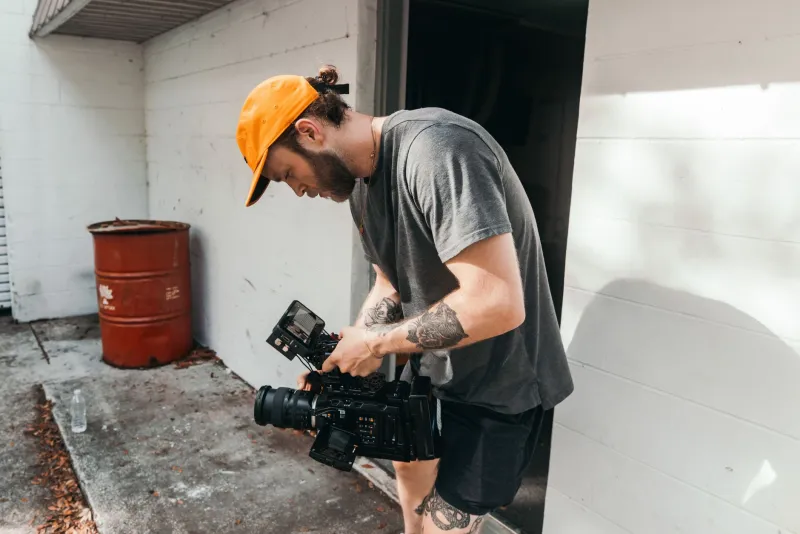
There is a particular kind of courage required to point a camera at something powerful people would prefer remain unseen — and to do so without a network's backing, a studio's legal team, or a crew of fifteen standing behind you. Across the United States, a growing number of independent documentarians are operating in precisely that condition, and the films they are producing are forcing conversations that traditional broadcasters have repeatedly declined to have.
These filmmakers are not hobbyists. They are disciplined, methodical practitioners who have developed rigorous approaches to solo or near-solo production, and their work is reaching audiences through streaming platforms, community screenings, and online distribution channels that did not exist a decade ago.
The Economics of Working Alone
The financial calculus behind solo documentary filmmaking is straightforward, if demanding. Without a crew to pay, equipment rental costs to absorb, or a production company's overhead to satisfy, a single documentarian can stretch a modest budget — sometimes as little as ten to twenty thousand dollars — across a project that might take one to three years to complete.
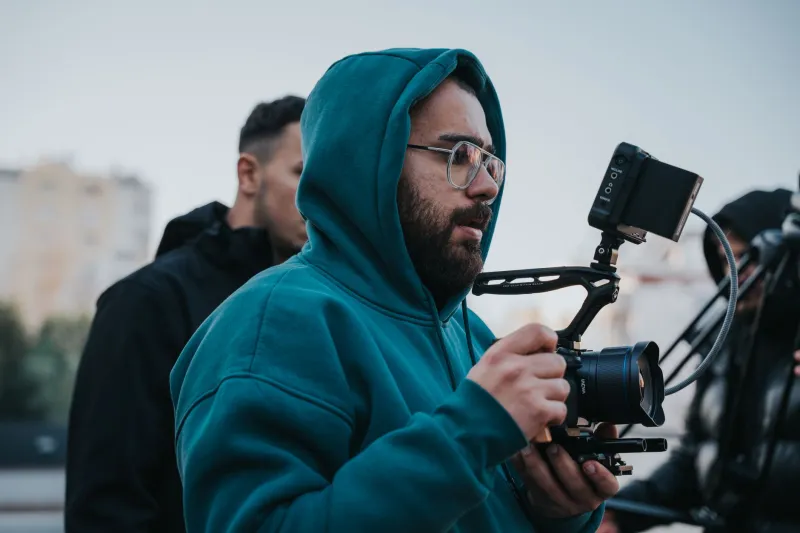
That frugality comes at a cost in labor. The solo documentarian is simultaneously the director, cinematographer, sound recordist, interviewer, and, in many cases, the editor. The cognitive load is considerable. But experienced practitioners argue that the constraint also produces a kind of intimacy with subject matter that larger productions rarely achieve. When there is no crew to manage, no call sheet to honor, and no production assistant hovering at the edge of the frame, subjects tend to forget, or at least stop actively resisting, that they are being filmed.
Filmmaker Deja Harmon, whose 2023 documentary about housing displacement in North Memphis was completed entirely without institutional funding, described the dynamic plainly in a recent interview with a regional film journal: "People don't open up to a production. They open up to a person. When I walked into someone's home with one camera and no crew, I was a person. That changed everything about what I was able to capture."
The Technical Toolkit of the Lean Documentary Crew
The hardware available to independent documentarians in 2024 has made solo production more technically viable than at any prior point in the medium's history. Cameras such as the Sony FX3, the Blackmagic Pocket Cinema Camera 6K, and the Canon EOS R5 C offer professional-grade image quality at price points that fall within the reach of individual filmmakers, particularly when purchased secondhand.
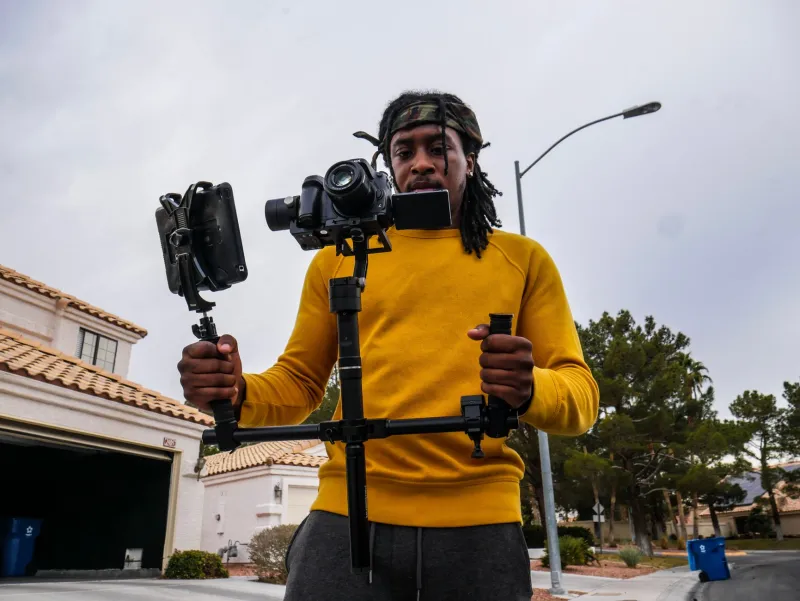
For audio — historically the area where low-budget documentary production has struggled most visibly — compact solutions such as the Rode Wireless GO II and the Zoom H5 field recorder have significantly narrowed the gap between solo-operator productions and those staffed by dedicated sound departments. Stabilization technology, including gimbals from DJI and built-in optical image stabilization in many mirrorless cameras, has addressed the handheld instability that once marked low-budget documentary footage as visually inferior.
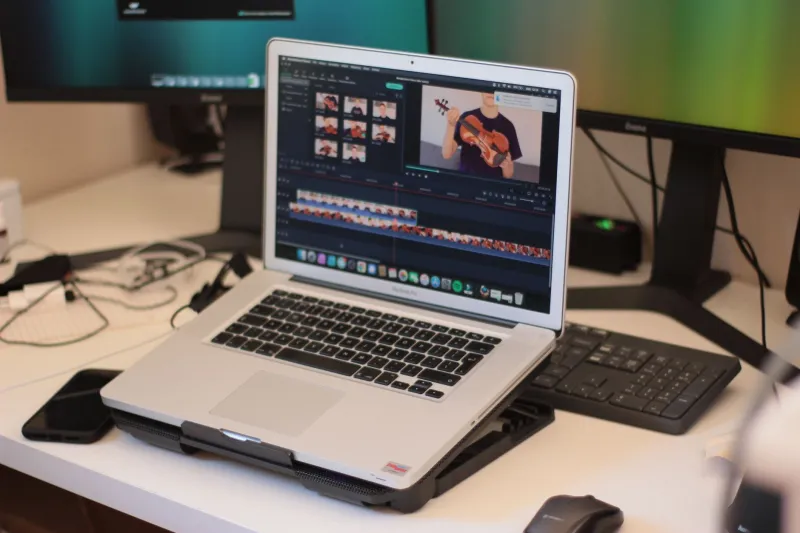
Post-production has followed a similar trajectory. DaVinci Resolve, available at no cost in its full-featured version, provides color grading and audio mixing capabilities that professional editors would have recognized as industry-standard only a few years ago. These tools, collectively, have removed many of the technical barriers that once separated independent documentary production from its well-funded counterparts.
Covering What the Networks Won't
The subject matter that solo documentarians tend to gravitate toward is not incidental. It reflects, in part, the structural incentives of the media organizations they are working outside of.
Commercial networks and major streaming platforms operate under advertising relationships, corporate ownership structures, and audience-size imperatives that create predictable blind spots. Stories involving marginalized communities without substantial consumer purchasing power, investigative subjects with the legal resources to mount defamation challenges, and local political conflicts without national resonance are routinely deprioritized or avoided altogether.
Independent documentarians, freed from those constraints, have moved into precisely those spaces. In rural Appalachia, filmmakers have documented the long-term public health consequences of surface mining operations that local broadcasters have treated with careful deference to the region's dominant industry. In the urban Southwest, solo documentarians have followed immigration attorneys and community organizers through years of asylum proceedings that never generated the visual drama television news requires. In the Midwest, independent filmmakers have spent extended periods embedded with labor organizers at distribution warehouses, capturing workplace dynamics that company communications departments work strenuously to keep out of public view.
The logistical advantage of working alone is particularly pronounced in sensitive investigative contexts. A single individual with a small camera can attend a public meeting, a community gathering, or a legal proceeding with far less disruption than a traditional documentary crew. Access that would be denied to a production company is sometimes extended, or simply not refused, to a person with a camera.
Distribution and the Question of Reach
Producing a documentary without institutional support is one challenge. Reaching an audience with it is another.
The distribution landscape for independent documentary work has diversified considerably in recent years, though it remains genuinely difficult to navigate. Platforms such as MUBI, Fandor, and Ovid.tv have established themselves as destinations for niche documentary content, offering filmmakers revenue-sharing arrangements that, while modest, provide some return on years of work. Direct sales through Vimeo on Demand and personal websites allow filmmakers to retain a larger percentage of each transaction, at the cost of marketing reach.
Community and institutional screenings — at libraries, universities, community centers, and advocacy organizations — have emerged as a meaningful distribution channel for documentaries addressing locally specific subjects. A film about water contamination in a particular county may have a limited national audience but can generate substantial engagement within the affected region, particularly when screenings are organized in partnership with local advocacy groups.
Social media has complicated and, in some respects, democratized the marketing challenge. A compelling clip from a documentary posted on Instagram Reels or TikTok can generate tens of thousands of views at no cost, occasionally creating enough momentum to attract attention from larger platforms or press outlets. The algorithmic nature of those platforms introduces its own unpredictabilities, but for filmmakers without marketing budgets, the potential upside is significant.
A Practice Built on Persistence
What distinguishes the most effective solo documentarians is not primarily technical skill or editorial instinct, though both matter. It is, above all, a capacity for sustained commitment to a subject over periods of time that most production schedules cannot accommodate.
The stories that networks ignore are frequently stories that require years, not months, to understand and render honestly. The housing displacement that Deja Harmon documented in North Memphis did not resolve itself in a filming window. The labor organizing that independent filmmakers have followed at distribution warehouses continues across multiple bargaining cycles. The asylum proceedings that documentarians have tracked in the Southwest extend across years of hearings and appeals.
Solo filmmakers, working without the financial pressure of a production company's schedule or a broadcaster's delivery deadline, can afford a relationship with time that institutional productions rarely can. That patience, as much as any piece of equipment or distribution strategy, may be the defining advantage of the guerrilla documentarian — and the reason the stories they tell continue to find audiences who recognize, in them, something that the polished productions have too often left out.