Strength in Numbers: How Filmmaker Collectives Are Rewriting the Rules of Independent Production
For decades, the assumption embedded in American filmmaking culture was straightforward: if you wanted to make a serious film, you needed access to serious money, and serious money lived behind studio gates. Equipment was expensive, post-production facilities were prohibitive, and the knowledge required to navigate distribution belonged to professionals whose salaries most independent creators could never afford. That assumption is now being dismantled — not by a single disruptive technology or a viral success story, but by a slower, more deliberate movement rooted in cooperation.
Across the country, independent filmmakers are forming collectives, cooperatives, and artist-led micro-studios that operate entirely outside the traditional production company model. These are not informal friend groups making weekend projects. They are structured creative organizations with shared equipment libraries, rotating labor agreements, communal editing suites, and coordinated release strategies. They are, in many respects, building the infrastructure of a parallel film industry.
The Architecture of a Collective
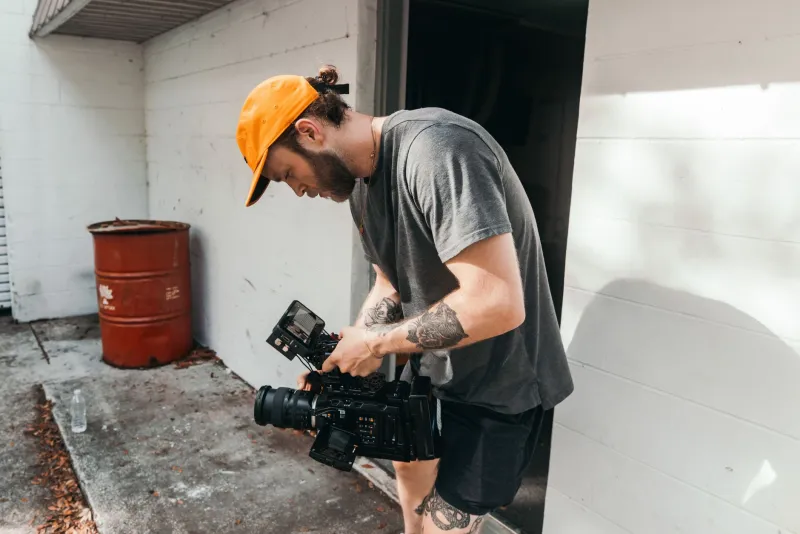
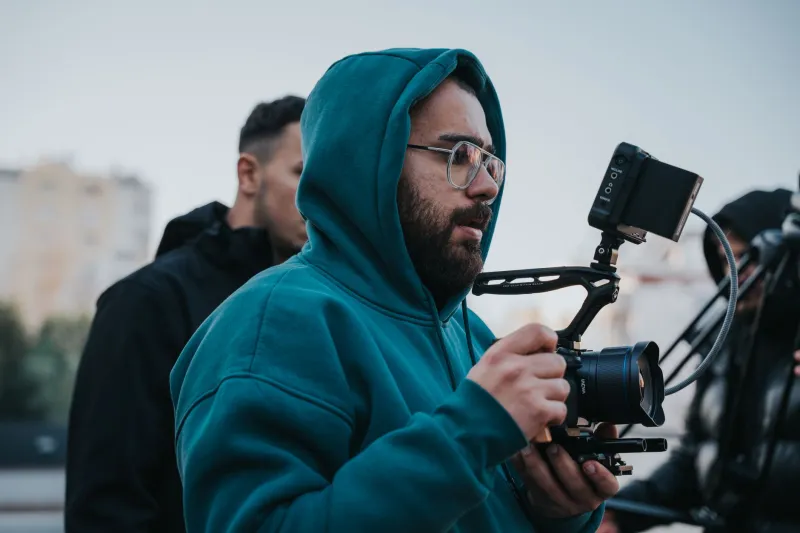
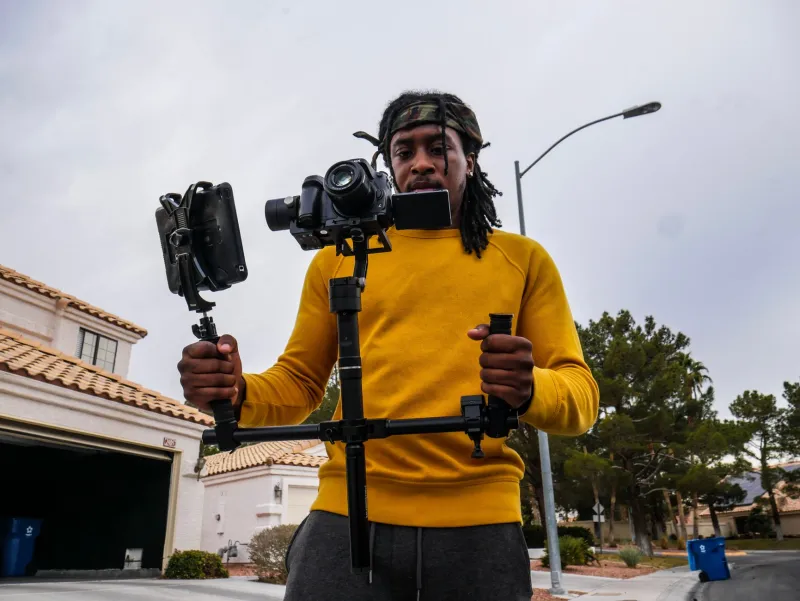
The mechanics of these organizations vary considerably, but certain patterns emerge consistently. At the most fundamental level, a filmmaker collective pools physical resources. Camera bodies, lenses, lighting rigs, audio equipment, and grip gear are owned communally or managed through formal lending agreements among members. In cities where equipment rental costs can run several hundred dollars per day, this arrangement alone can reduce a production budget by thousands of dollars.
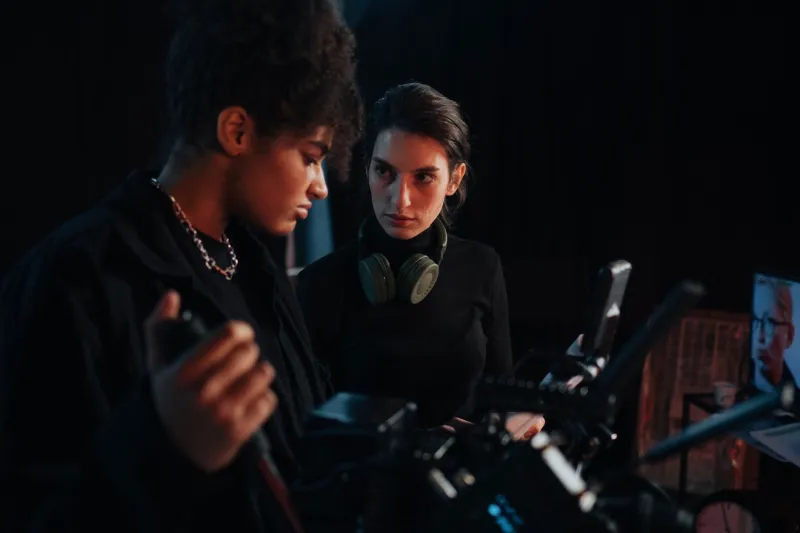
Beyond equipment, collectives share human capital. A cinematographer who excels at handheld documentary work might trade her skills on a colleague's narrative feature in exchange for sound design assistance on her own project. An editor with experience in color grading might offer those services to the collective in return for help with location scouting or production coordination. This barter economy of expertise creates a dense web of mutual obligation and creative investment that functions as a genuine support system rather than a transactional marketplace.
Some collectives have taken the model further still, establishing shared physical spaces. Warehouse studios, converted storefronts, and community arts facilities across cities like Chicago, Atlanta, Austin, and Philadelphia have become home to these filmmaker communities, offering not only workspace but also the kind of sustained creative dialogue that isolated independent filmmakers rarely encounter.
Why Now
The timing of this movement is not accidental. Several converging forces have made collective filmmaking both more practical and more necessary than at any previous point in the industry's history.
The democratization of production technology over the past fifteen years created a large population of skilled filmmakers who could produce work of genuine technical quality without studio resources. What many of them discovered, however, was that the ability to make a film did not automatically translate into the ability to sustain a filmmaking career. Distribution remained gatekept, marketing required capital, and the isolation of solo independent work was professionally and creatively exhausting.
Simultaneously, the fragmentation of the streaming landscape created new opportunities for niche content while simultaneously making it harder for any single independent voice to cut through the noise. A collective, by contrast, can present a unified front — cross-promoting members' work to shared audiences, coordinating release timing, and building a recognizable brand identity that individual filmmakers would struggle to establish alone.
The economic pressures of the post-pandemic creative economy have accelerated these tendencies. Freelance rates in many technical fields have stagnated while cost of living in major production hubs has risen sharply. For many independent filmmakers, collective membership has become not merely an artistic preference but a financial necessity.
Creative Control as a Founding Principle
What distinguishes filmmaker collectives from more conventional production company arrangements is the primacy of creative autonomy. In a traditional production company, even a nominally independent one, creative decisions are ultimately subject to financial considerations and the preferences of whoever controls the budget. In a well-structured collective, creative authority remains with the individual filmmaker making the work, while the collective provides support without exerting editorial influence.
This distinction matters enormously to the filmmakers who have chosen this path. Many of them have prior experience with more conventional independent production arrangements and describe those experiences in terms of gradual creative erosion — the small compromises that accumulate until a project no longer resembles the work its creator originally envisioned. The collective model, at its best, removes the financial pressure that drives those compromises without replacing it with a different form of creative control.
Maintaining that balance requires deliberate organizational design. Collectives that have operated successfully over several years tend to have explicit governance structures, clear agreements about the boundaries between communal support and individual creative authority, and established processes for resolving disputes. The ones that have struggled often cite ambiguity in these areas as a primary source of friction.
Building Audiences Together
Perhaps the most strategically significant function of filmmaker collectives is their approach to audience development. Independent filmmakers working in isolation face a fundamental marketing problem: building an audience for a single film requires nearly as much effort as building an audience for an ongoing body of work, but the return on that investment disappears when the project cycle ends.
Collectives address this problem by cultivating audiences at the organizational level rather than the project level. When a member's film is released, it is promoted not only to that filmmaker's existing followers but to the entire collective's audience — an audience that has been built incrementally through the combined output of all members. Over time, this creates a compounding effect in which each new project benefits from the accumulated audience relationships established by previous work.
Some collectives have extended this logic into formal distribution arrangements, releasing work through shared platforms or coordinating with regional theater networks to present collective screenings as curated programs rather than isolated individual releases. These approaches borrow organizational intelligence from the music industry's DIY touring circuits and the literary world's independent press communities — models that have demonstrated the viability of collective audience-building over decades.
A Different Kind of Film Industry
What is taking shape through these collectives is not simply a more efficient version of independent filmmaking. It is something more structurally distinct — a creative economy organized around mutual support, shared ownership, and long-term community rather than the competitive individualism that has historically defined the film industry at every level.
For cinephiles and observers of independent film culture, this development is worth sustained attention. The films emerging from these collectives are often marked by a creative confidence and a willingness to pursue unconventional subjects that reflects the security their organizational context provides. When a filmmaker does not need to satisfy a single investor or court a specific festival jury, the range of stories worth telling expands considerably.
The studio system was built on the logic of consolidation — gather the resources, control the talent, own the output. The collective model inverts that logic entirely. It disperses resources, liberates talent, and returns ownership to the people doing the work. Whether that inversion can sustain itself at scale remains an open question, but the evidence accumulating across the American independent filmmaking landscape suggests it is already sustaining a great deal.